
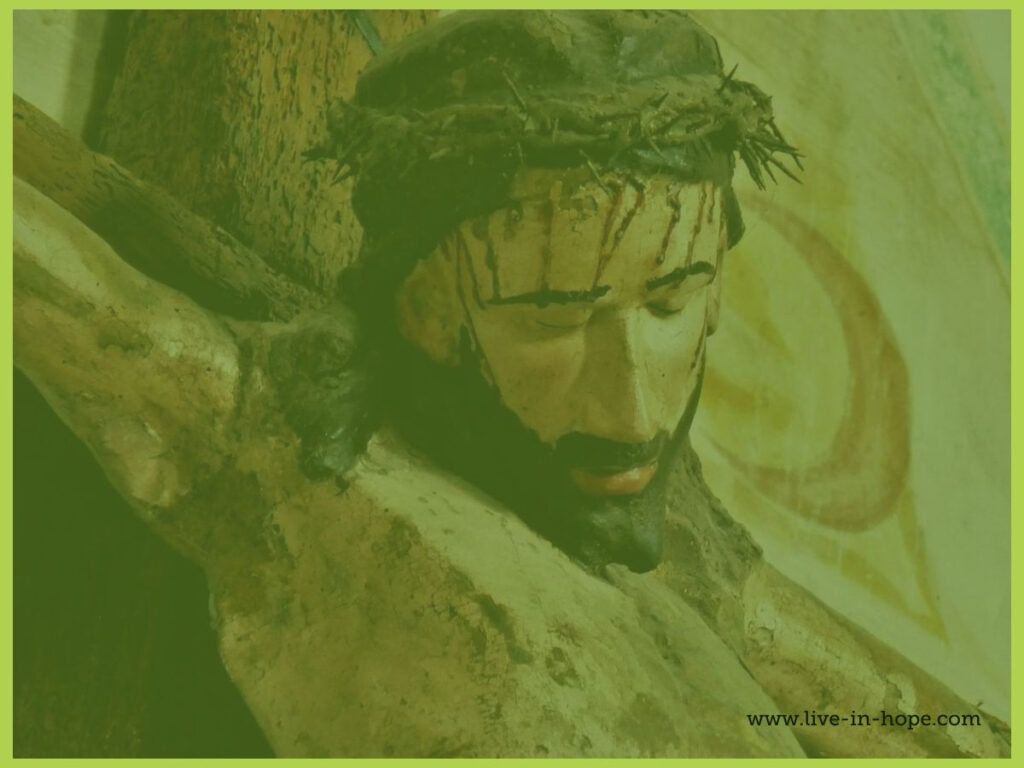
The Blood of Jesus holds a significant place in our Christian faith. It represents the ultimate sacrifice that Jesus made on the cross for the redemption and forgiveness of mankind. It carries a special weight that goes beyond our understanding, connecting us to our creator. In this blog post, I want us to explore the importance of Jesus’ blood, both in a spiritual and symbolic sense. Brace yourself as we dive into the transformative power of Jesus’ blood, which has the ability to change lives and bring hope.
Importance of the Blood of Jesus in Our Christian Faith
In our Christian faith, the Blood of Jesus is of utmost significance, as it is the only means of atonement for sins and the only way to obtain salvation. The Bible teaches us in Hebrews 9:22 that without the shedding of blood, there can be no forgiveness of sins. Therefore, the Blood of Jesus is the foundation of our Christian faith and the hope of eternal life for believers.
The Historical Context of the Blood of Jesus:
The Role of Blood in Ancient Israel Culture
To understand the significance of the Blood of Jesus, we must first examine its historical context. In the Old Testament, God commanded the the children of Israel through Moses to offer animal sacrifices to him as a way of atoning for their sins. The blood of the sacrificed animal was sprinkled on the altar to symbolize the cleansing of sin and the restoration of a right relationship with God.
You Can also check: How the Law of Moses and the Keeping of the Sabbath Relate to Christians Today
The Passover and the use of blood as a Symbol of Redemption
The Passover became one of the most significant festivals for the children of Israel after God rescued them from the angel of death, which was instructed to kill all the firstborn sons of the Egyptians. Exodus 12:12-14 teaches us that on the day of the Passover, the Israelites were instructed to sacrifice a lamb and mark their doorposts with its blood. This act of sacrifice and the application of blood on the doorposts was meant to be a sign to the angel of death to spur the children of Israel from the plagues and the killing of their firstborn sons. Indeed, at midnight the angel of death passed wherever he saw the blood of the lamb. God then instructed the children of Israel to commemorate this day for the generations to come and to celebrate it as a festival to the Lord as a permanent ordinance.
Jesus’ Sacrifice on the Cross and the Shedding of His Blood
The bible says in Romans 3:23 “For all have sinned and fall short of the glory of God.” As a result, the only way for God’s people to receive eternal forgiveness and atonement for their sins was through Jesus’ death on the cross and the shedding of his blood, as the blood of bulls and goats could not do it. The scripture tells us in Leviticus 16:32-35, that the high priest had to make atonement for the children of Israel with the blood of the lamb, which lasted only for a year. “And for this reason He is the Mediator of the new covenant, by means of death, for the redemption of the transgressions under the first covenant,” the Bible says in Hebrews 9:15, “that those who are called may receive the promise of the eternal inheritance.”
Why is the Blood of Jesus So Precious
His death and shedding of his blood on the cross was the ultimate sacrifice, which fulfills the plan of redemption of God’s people, because he was blameless and like a lamb without defects. As the scripture says in 1 Peter 1:18-19, “Knowing that you were ransomed from the futile ways inherited from your forefathers, not with perishable things such as silver or gold, but with the precious blood of Christ, like that of a lamb without blemish or spot.” The Blood of Jesus is, therefore, a powerful symbol of his sacrifice and the ultimate price he paid for the salvation of God’s people.
The Spiritual Significance and Personal Application of the Blood of Jesus
In addition to its historical significance, the Blood of Jesus also holds tremendous spiritual significance for us as Christians. Understanding its personal application can bring about profound transformation and renewal. It has cleansing power, a protective function, and plays a crucial role in spiritual warfare. It provides us with the assurance of forgiveness, the hope of eternal life, and the ultimate victory over evil.
Redemption and Forgiveness Through the Blood of Jesus
The blood of Jesus is the ultimate remedy for the brokenness and guilt caused by sin. It offers the opportunity for every individual, regardless of their past mistakes, to experience complete forgiveness and restoration. The bible assures us in Romans 8:1, that there is no condemnation to those who are in Christ, who walk according to the spirit and not flesh.
Through faith in Jesus’ sacrifice, we can receive the assurance that our sins are washed away, allowing us to start anew with a clean slate. This realization brings liberation and peace to those burdened by their past, offering them a fresh start and the chance to walk in righteousness.
You can also check: Repentance and Forgiveness: The True Meaning
Cleansing and Sanctification
The blood of Jesus does not only allow the forgiveness of sins but it also cleanses us from the effects and power of sin. When a person accepts Jesus Christ as the Lord and Savior, their sins are washed away by the blood of Jesus and they become a new creation. The Bible states that “the blood of Jesus, his Son, purifies us from all sin” (1 John 1:7). This cleansing power in it provides believers with the assurance of forgiveness and the hope of eternal life.
As we personally apply the blood of Jesus through repentance and faith, we invite his cleansing power to purify our thoughts, motives, and behaviors. It purifies our hearts and transforms our lives, enabling us to live in alignment with God’s purposes. This ongoing process of sanctification molds us into the image of Christ, empowering us to live a life that honors God and blesses others.
Access to God’s Presence
Through the blood of Jesus we have access to the very presence of God. In the book of Leviticus 16:34 we learn that, the high priest could enter the Holy of Holies once a year to make atonement for himself and for the people. But now, through Jesus’ sacrifice, we can boldly approach God’s throne with confidence and without fear (Hebrews 4:16). The blood of Jesus serves as our spiritual passport, enabling us to commune with our Heavenly Father, seek His guidance, and experience His transforming presence in our lives.
Overcoming the Enemy
Finally, the Blood of Jesus plays a crucial role in spiritual warfare. The bible tells us that “And they overcame him by the blood of the Lamb and by the word of their testimony, and they did not love their lives to the death” (Revelation 12:11 NKJV). This scripture refers to the victory that we have, over the devil through the Blood of Jesus.
It is a powerful weapon against the forces of darkness. It serves as a spiritual shield, protecting us from the schemes of the enemy. When we plead the blood of Jesus through faith, we declare our victory over sin, sickness, fear, and every form of oppression. It has the power to break chains, deliver us from bondage, and empower us to live victoriously.
The Symbolic Meaning of the Blood of Jesus in The Holy Communion
The blood of Jesus in Holy Communion (also known as the Lord’s Supper) carries profound symbolism. Firstly, the Lord’s Supper as a whole is a powerful service that allows us as believers to connect with the significance of Jesus’ sacrifice and experience his presence, grace, and trans-formative love in our lives. Nevertheless, it is extremely important to understand the importance of the Lord’s supper before partaking, as the bible warns us in 1 Corinthians 11:29-31: “For anyone who eats and drinks without discerning the body eats and drinks judgment on himself. That is why many of you are weak and ill, and some have died. But if we judged ourselves truly, we would not be judged.”
Here are some key symbolic meanings associated with the blood of Jesus in Holy Communion:
Redemption:
The blood of Jesus represents the sacrificial offering that brings redemption and forgiveness of sins. Just as the blood of animals was shed in the Old Testament for atonement, Jesus’ blood is the ultimate and perfect sacrifice that cleanses believers from their sins. In fact, the law requires that nearly everything be cleansed with blood, and without the shedding of blood there is no forgiveness (Hebrews 9:22). The redemption power that comes through the blood of Jesus goes hand in hand with sanctification. This sanctification makes us holy, and gives us access to the presence of God.
Covenant:
Furthermore, the blood of Jesus signifies the establishment of a new covenant between God and his people. In the Last Supper, Jesus took the cup of wine, representing His blood, and said, “This cup is the new covenant in my blood” (Luke 22:20, NIV). Through Holy Communion, we partake in the covenant relationship with God, experiencing his grace, mercy, and salvation. This means we no longer have to depend on the blood of bulls and goats to draw near to God. Since we now have eternal relationship with God through the blood of Jesus.
Unity and Fellowship:
Holy Communion represents the unity of believers as the body of Christ. When we partake in the same bread and wine, we demonstrate our shared participation in the life, death, and resurrection of Jesus. As the bible say in 1 Corinthians 10:16-17, “Is not the cup of thanksgiving for which we give thanks a participation in the blood of Christ? And is not the bread that we break a participation in the body of Christ? Because there is one loaf, we, who are many, are one body, for we all share the one loaf.” It represents the fellowship among Christians, emphasizing their ties and connections as parts of the body of Christ.
Spiritual Nourishment:
Just as physical blood is essential for sustaining life, the blood of Jesus symbolizes spiritual nourishment and sustenance for believers. By partaking in the bread and wine, we receive spiritual nourishment, and experience healing and refreshment spiritually, emotionally and physically. It brings us transformative power in our lives. This is confirmed in John 6:53-56, “Jesus said to them, ‘Very truly I tell you, unless you eat the flesh of the Son of Man and drink his blood, you have no life in you. Whoever eats my flesh and drinks my blood has eternal life, and I will raise them up at the last day. For my flesh is real food and my blood is real drink. Whoever eats my flesh and drinks my blood remains in me, and I in them.’”
Remembrance and Proclamation:
When we partake in the Holy Communion as believers we remember Jesus’ sacrifice on the cross, his shed blood, and we proclaim his victory over sin and death until he comes back. “And He took bread, gave thanks and broke it, and gave it to them, saying, ‘This is my body which is given for you; do this in remembrance of Me.’” Luke 22:19 (NKJV). In this verse we can see that Jesus instituted the practice of the Lord’s Supper or Communion, emphasizing the significance of his body and blood. So we need to understand that it is not just a religious ceremony but it is a solemn act of remembrance, thanksgiving, and proclamation of faith in the redemptive work of Christ
The Continued Relevance of the Blood of Jesus:
The enduring power in the Blood of Jesus to transform lives is perhaps one of its most significant aspects. It will never lose its power, as it is now the new covenant that connects God with his people. It is through faith in Christ Jesus and his sacrifice that we are able to experience forgiveness and freedom from sin, and the Blood of Jesus remains a powerful tool for spiritual transformation and renewal.
Conclusion
In conclusion, the Blood of Jesus is a powerful and meaningful symbol in our Christian faith. It represents the ultimate sacrifice that Jesus made on the cross to wash away the sins of humanity and restore a direct relationship between God and man. Understanding the spiritual and symbolic significance of the Blood of Jesus can deepen our faith and transform our lives.

